


News
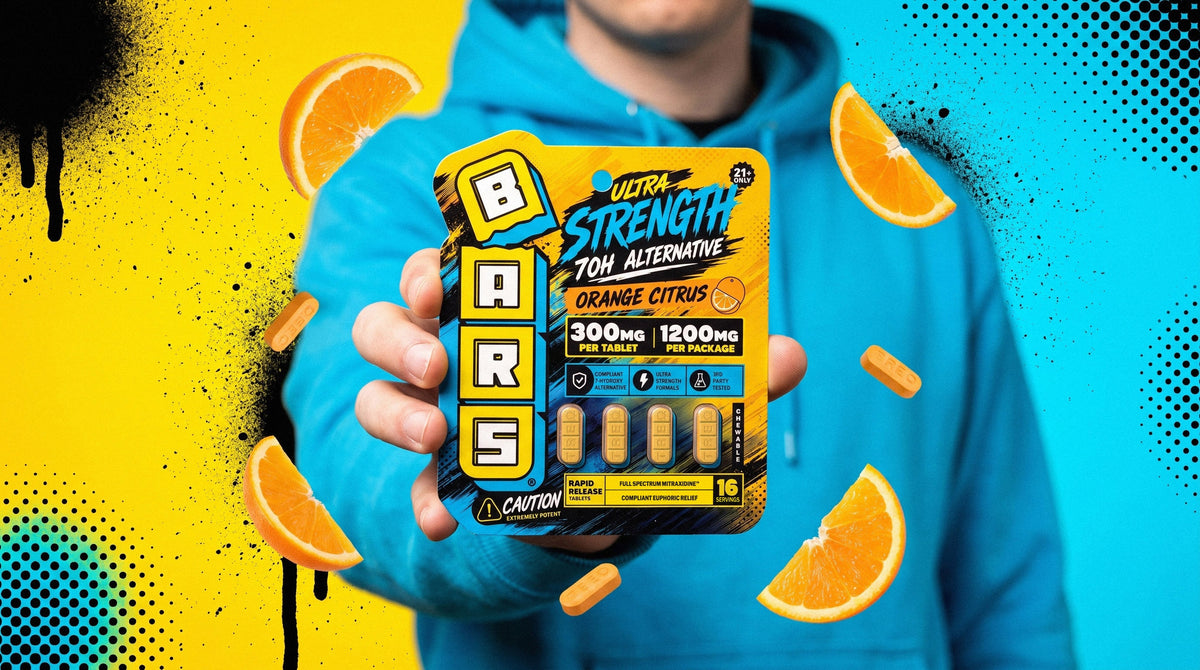

How to Read a 7-OH Certificate of Analysis (COA): A Consumer's Guide to 7-OH Lab Results
Short answer: A Certificate of Analysis (COA) is a third-party lab report that confirms the purity and potency of a product. When you read a COA for a 7-hydroxymitragynine (7-OH) product, you should confirm that the potency matches the label, review the heavy metals panel, check for residual solvents, and verify the product passed microbiological testing. As demand for 7-OH products has exploded, so has the number of companies selling it. Some manufacture in professional facilities and openly publish reports from independent, third-party laboratories. Others offer little more than flashy packaging and bold marketing claims. That’s why a Certificate of Analysis is one of the most valuable tools a consumer has. A COA isn’t marketing material. It’s a laboratory document prepared by an independent testing facility that verifies the identity, purity, and potency of a product. Learning how to read a 7-OH lab test only takes a few minutes, but it can help you separate transparent brands from companies that could very well have something to hide. Where to Find the COAs on This Site There’s no point in providing you with an article about the importance of COAs and how to read them if we can’t show you one, right? So, here’s a handy link to our Lab Reports page, so you can see what we’re talking about. What Is a 7-OH Certificate of Analysis? A Certificate of Analysis, commonly called a COA, is an official laboratory report prepared after a product has been independently tested. For 7-hydroxymitragynine products, a complete COA typically evaluates several different categories, including potency, the presence of any heavy metals or residual solvents, microbiology, and batch identification. Taken together, these results tell you whether the product contains the ingredients the label promises and whether it has been screened for common contaminants. One important point is worth mentioning: A COA is only valuable if it’s recent and batch-specific. Reputable manufacturers test individual production lots, meaning the batch number on the laboratory report should match the batch number printed on your package whenever possible. If you can’t find a batch number or the company only provides a generic lab report from years ago, that should raise questions. Reading the Potency Profile: Does the Label Match the Lab? The first section to look at on a COA is the potency profile. This is where the laboratory measures how much 7-hydroxymitragynine, mitragynine, and related kratom alkaloids are actually present in the finished product. For tablets, the result may be expressed as milligrams per tablet or as a percentage of total weight. Either way, the numbers should closely align with what the product label advertises. If a package claims to contain 20 mg of 7-OH per tablet, the laboratory report should support that claim within accepted manufacturing tolerances. If there’s a substantial difference between the label and the COA, that can pose a couple of problems. First, consumers deserve to know the exact alkaloid profile of the product they’re purchasing. You paid for it, right? You should get what you were promised. Second, because 7-hydroxymitragynine is a highly active compound, even relatively small differences in potency can significantly change the user experience. Bottom line: Reliable companies don't ask customers to take their word for it. They let independent laboratories verify every batch. Scrutinizing the Heavy Metals Panel Plants naturally absorb minerals from the soil in which they grow. Unfortunately, that soil can sometimes include heavy metals. A quality COA should include testing, at the very least, for these four contaminants: lead, arsenic, cadmium, and mercury. As you scan this section, keep an eye out for these two terms to determine a product’s pass or fail grade: ND means Not Detected, indicating the laboratory did not detect the substance above its testing threshold. LOQ stands for Limit of Quantitation, referring to the lowest concentration the laboratory can reliably measure. Results reported below the LOQ generally indicate extremely small amounts that cannot be accurately quantified. Neither abbreviation should be alarming by itself. In fact, they’re commonly found on professional laboratory reports. What matters is that the reported values are in compliance with applicable safety standards and that the company makes those results publicly available instead of hiding them. Residual Solvents and Processing Chemicals Unlike traditional kratom leaf powder, highly concentrated 7-OH products involve sophisticated extraction and purification processes. Depending on the manufacturing method, solvents may be used during production before being removed from the finished material. That’s why reputable manufacturers perform residual solvent testing. A complete COA may screen for compounds such as ethanol, acetone, hexane, methanol, and isopropyl alcohol. Don’t worry. While it sounds like you’re gonna need an advanced chemistry degree to slog through this section, it’s actually pretty simple. You’re just looking to see whether the finished product passed the laboratory’s safety specifications in each category. Professional manufacturers invest considerable effort into removing processing chemicals before products ever reach consumers. Independent laboratory testing confirms that those purification steps were successful. If residual solvent testing isn’t included on a COA, that should raise some red flags about the manufacturer. Microbiology: The Safety Test Most People Never Think About Chemical purity is only part of the picture. Botanical products should also be tested for microbiological contamination. Poor harvesting, improper storage, or unsanitary manufacturing conditions can occasionally introduce harmful microorganisms into botanical ingredients. That’s one reason reputable companies routinely screen finished products before they’re released for sale. A comprehensive microbiology panel often includes testing for Salmonella, Escherichia coli (E. coli), yeast, mold, and total aerobic microbial count. You want confirmation that the product passed these safety tests before it ever reached your hands. It’s another example of why independent laboratory verification matters so much. You can’t see microbial contamination by looking at a tablet … even if you squint. Don’t Forget to Verify the Laboratory Who watches the Watchmen?🦉 Okay, comic book reference aside, even an impressive-looking COA deserves a little scrutiny. Ask yourself a few simple questions. Is the testing laboratory clearly identified? Does the report include a testing date? Is there a batch number? Does the report appear complete rather than cropped or partially hidden? Can you access it directly from the company's website or by scanning a QR code on the package? Trustworthy brands don't make customers hunt for laboratory results. In fact, many (like BARS) make them one of the centerpieces of their quality program because they understand that transparency builds confidence. What a Missing COA Should Tell You Sometimes the most revealing laboratory report is the one that doesn’t exist. If a company can't provide current third-party testing, consumers have no reliable way to verify potency, purity, contaminant screening, or manufacturing consistency. That doesn't automatically mean the product is unsafe. It simply means you’re being asked to accept those claims without independent verification. That’s something we think is unacceptable, and we’re guessing you do, too. Final Thoughts on 7OH COAs Reading a Certificate of Analysis isn't nearly as intimidating as it first appears. Once you know where to look, you can evaluate a product in just a few minutes. Start by confirming that the potency matches what’s on the label. Review the heavy metals panel. Check that residual solvents were screened. Make sure microbiological testing was performed. Finally, verify that the report comes from an independent laboratory and corresponds to the product you’re actually purchasing. These simple steps won’t make you an analytical chemist. They will, however, make you a much more informed consumer. Frequently Asked Questions About 7-OH Certificates of Analysis What Is a 7-OH Certificate of Analysis? A 7-OH Certificate of Analysis is an independent laboratory report that verifies a product’s potency, purity, and safety. It typically includes testing for alkaloid content, heavy metals, residual solvents, microbiological contaminants, and batch identification. Why Is Third-Party Testing Important for 7-OH? Independent testing helps verify that a product contains what the label claims and has been screened for contaminants. Third-party laboratories provide an additional level of transparency that consumers cannot obtain from marketing materials alone. What Does “ND” Mean on a COA? “ND” stands for “Not Detected.” If you see this term on a product’s test results, it indicates that the laboratory did not detect the substance above its established testing threshold. What Does “LOQ” Mean on a Lab Report? LOQ stands for “Limit of Quantitation.” It refers to the lowest concentration that a laboratory can reliably measure with confidence. Results below the LOQ are generally present, if at all, only in extremely small amounts. Should Every Batch Have Its Own COA? Ideally, yes. Batch-specific testing helps confirm that each production run meets the manufacturer’s quality standards rather than relying on a single historical laboratory report. At the very least, products should be tested regularly and not once in a blue moon. Can I Trust a Brand That Doesn’t Publish COAs? Consumers should be cautious when companies refuse to provide current third-party laboratory reports to confirm purity and potency testing. Transparency has become one of the strongest indicators of quality in the modern botanical products industry, particularly with kratom and 7-OH products. References U.S. Food and Drug Administration (FDA). Botanical Drug Development: Guidance for Industry. U.S. Department of Health and Human Services. Available at: https://www.fda.gov/regulatory-information/search-fda-guidance-documents/botanical-drug-development-guidance-industry American Herbal Products Association (AHPA). Guidance Policies and Best Practices. Available at: https://www.ahpa.org/resources United States Pharmacopeia (USP). General Chapters <561> Articles of Botanical Origin and <2232> Elemental Contaminants in Dietary Supplements. Available at: https://www.usp.org National Institute on Drug Abuse (NIDA). Kratom. National Institutes of Health. Available at: https://nida.nih.gov/research-topics/kratom
Learn more
The Complete Beginner’s Guide to 7-OH Tablets
Short answer: If you're trying 7-OH tablets for the first time, the safest approach is also the simplest: start with a very small serving your first time to see how your body responds. Keep in mind that 7-hydroxymitragynine is a highly active kratom alkaloid, so a little goes a long way. Also, make sure to purchase from brands that provide third-party lab tests to confirm your product’s purity and potency. Over the past year, interest in 7-hydroxymitragynine has grown rapidly as more adults look for a cleaner, more convenient alternative to traditional kratom powder. Instead of measuring scoops of bitter plant material or experimenting with different strains, many consumers are choosing precisely dosed tablets that offer consistency from one serving to the next. That convenience has also created a lot of questions for first-timers. What exactly is 7-OH? How does it differ from regular kratom? How much should a beginner take? And perhaps most importantly, how do you know you’re buying a quality product? Whether you’re simply curious or preparing to try 7-OH for the first time, here’s what you should know before opening your first package. What Is 7-OH? A Simple Introduction Kratom (Mitragyna speciosa) naturally contains dozens of alkaloids, most notably mitragynine and 7-hydroxymitragynine (7-OH). Mitragynine is the plant's most abundant alkaloid. After you consume it, a small portion of the compound is naturally converted into 7-hydroxymitragynine, which plays an important role in many of kratom's effects. Modern extraction techniques allow manufacturers to isolate and formulate 7-OH directly into tablets. Rather than consuming several grams of powdered leaf (which contains dozens of different kratom alkaloids in varying concentrations), users receive a precisely measured amount of a single, well-characterized compound. Think of it as the difference between brewing a loose handful of coffee beans over a campfire every morning versus using a machine that delivers the exact same cup every time. The emphasis shifts from quantity and uncertainty to quality and consistency. Why First-Timers Should Consider a Tablet If you’re trying any kind of kratom product for the first time, the last thing you want is uncertainty. Tablets guarantee a measured amount of 7-hydroxymitragynine, eliminating much of the guesswork associated with loose botanical powders. They also make it easier to start small. Instead of estimating an amount with a scoop or spoon, it’s easy to divide a tablet into fractional servings and gradually learn how your body responds. Many people also appreciate the convenience. Tablets travel well, don't require measuring equipment, and completely avoid kratom's famously bitter, earthy taste. (Unless, of course, you prefer the flavor of freshly scraped bog moss.🤮) What to Expect: Benefits and Potential Side Effects One of the biggest misconceptions about 7-OH is that it’s supposed to feel dramatic. Most experienced users would tell you the opposite. When used conservatively, many adults describe the experience as being subtle rather than overwhelming. You’ll likely find yourself feeling physically comfortable, mentally settled, and more able to enjoy the evening without feeling heavily sedated. The constant mental “background noise” from work becomes easier to ignore, and it becomes easier to relax on the couch instead of continuing to replay the day’s conversations. Again, what experienced users consistently emphasize is moderation. The goal isn’t to feel overwhelmed. It's simply to feel more relaxed. Of course, experiences may vary depending on body chemistry, metabolism, previous experience, recent meals, and serving size. But this gives beginners a sense of what to expect from their 7-OH experience. As for side effects, most reported 7-OH side effects are mild and stem from taking too large a serving. These occasional side effects include dry mouth, drowsiness, nausea, constipation, and fatigue. It’s also worth noting that, because 7-hydroxymitragynine interacts with certain receptors, regular high-frequency use may contribute to tolerance, dependence, and withdrawal symptoms in some individuals. A quick safety note, as well. Because of how 7-hydroxy interacts with certain receptors in your body, do not combine 7-OH with alcohol or central nervous system depressants, such as Benzodiazepines, sedative medications, or sleep aids. If you take prescription medications, consult your healthcare provider before use. The Golden Rule for Beginners Start with a lower dose than you think you need. We repeat: START WITH A LOWER DOSE THAN YOU THINK YOU NEED! For our BARS 7-OH tablets, the recommended serving size is one-quarter of a tablet. If this is your first time, we advise that you stop right there. Don’t make that rookie mistake of thinking it hasn’t kicked in and then taking a second serving … only to have both servings roll up on you. Believe us, you don’t want that. You can expect to feel it start to hit between 15 and 45 minutes after consumption, peaking after one or two hours. The entire experience should last four to six hours. If, after your first 7-OH experience, you feel like you would like to try a little more. Wait until the next time you use a 7-OH tablet to increase your dosage … just a bit. Remember, finding your personal “sweet spot” is far more valuable than chasing the strongest possible effects. How to Shop for Quality 7OH or Kratom Products Finding a trustworthy brand is probably the most important thing you can do when you’re looking to try 7-OH. There are a lot of shady brands out there, selling products that are either insufficiently dosed or are flat-out unsafe. So, be sure to look for these things when you shop: Ingredients that are clearly displayed Products manufactured in cGMP-compliant facilities A current, batch-specific Certificate of Analysis for every product A history of positive customer reviews If the brand you’re considering does not display this level of transparency, then choose another brand that does. The quality of your 7-OH experience and, potentially, your safety rides on that decision. Grab Your Lucky 7 Experience Trying 7-OH can be (and should be!) an exciting experience. Just make sure to take a conservative 7-OH dose and don’t double dose if it doesn’t hit right away or as you had expected. Understand that the effects of 7-OH tablets should be subtle and chill. And make sure to buy your tabs from a brand you can trust. If you follow these guidelines, you should have a 7-out-of-7 experience! Frequently Asked Questions About 7OH Tablets What Is 7-Hydroxymitragynine? 7-Hydroxymitragynine (7-OH) is a naturally occurring alkaloid found in the kratom plant. Modern manufacturing techniques can isolate and formulate it into precisely dosed tablets that offer greater consistency than traditional kratom powder. How Much 7-OH Should a Beginner Take? For a BARS 7-OH tablet, the recommended serving size is one-quarter of a tablet. We recommend that you stick with that size (or less) your first time around to gauge how it hits. Then, if you think you might want a larger dose, slightly increase the amount the next time. How Long Does It Take for 7-OH to Work? Many users report noticing initial effects between 15 and 45 minutes, with the peak between one and two hours after consumption. Keep in mind that factors such as metabolism, body size, food intake, and serving size can influence your 7-OH onset timing. Can You Take 7-OH Every Day? Some consumers choose to use 7-OH regularly, but there is limited long-term clinical research on daily use. Many experienced users recommend moderation and paying attention to how your body responds over time. How Do I Know if a 7-OH Product Is High Quality? Look for products that include current batch-specific Certificates of Analysis from independent, third-party laboratories, transparent ingredient labeling, cGMP manufacturing practices, and a company willing to openly discuss its quality standards. References Kruegel AC, Uprety R, Grinnell SG, et al. 7-Hydroxymitragynine Is an Active Metabolite of Mitragynine and a Key Mediator of Its Analgesic Effects. ACS Central Science. 2019;5(6):992-1001. Available at: https://pubs.acs.org/doi/10.1021/acscentsci.9b00141 National Institute on Drug Abuse (NIDA). Kratom. National Institutes of Health. Available at: https://nida.nih.gov/research-topics/kratom U.S. Food and Drug Administration (FDA). FDA and Kratom. U.S. Department of Health and Human Services. Available at: https://www.fda.gov/news-events/public-health-focus/fda-and-kratom Eastlack SC, Cornett EM, Kaye AD. Kratom—Pharmacology, Clinical Implications, and Outlook: A Comprehensive Review. Pain and Therapy. 2020;9(1):55-69. Available at: https://pmc.ncbi.nlm.nih.gov/articles/PMC7203303/
Learn more
Traveling with 7-OH Tablets: TSA Guidelines, Flying, and Crossing State Lines
Short answer: In some cases, you can travel domestically with 7-OH tablets, but legality depends both on where you’re departing and your destination. The TSA’s primary mission is aviation security, not enforcing botanical supplement laws. However, several states restrict or prohibit kratom alkaloids, and many countries ban them outright. Before you travel, verify the laws at your place of departure, your destination, and any layovers in between. When in doubt, leave your 7-OH at home. Travel days are stressful enough without wondering whether the product in your carry-on could cause problems at your destination. That’s why questions like “Can you bring 7-OH tablets on a plane?” and “Is it legal to fly with 7-hydroxymitragynine?” have become some of the most common travel-related searches in the kratom community. Here’s what every traveler should know before packing 7-OH tablets for a trip. The TSA’s Stance on 7-OH Tablets The Transportation Security Administration (TSA) is responsible for aviation security. Its officers are trained to identify weapons, explosives, and other threats to passenger safety: not to actively search for legal botanical supplements. Because 7-OH tablets are a solid product rather than a liquid, they generally don’t present the same screening issues as gels or beverages. Like other tablets or dietary supplements, they may be inspected if TSA officers need to identify an item during routine screening, but there is no TSA rule specifically prohibiting 7-hydroxymitragynine tablets on domestic flights. However (and this is a big “however”) passing through airport security doesn’t determine whether possessing a product is legal where you’re traveling. That’s governed by state and local law. Domestic Travel: Your Destination Matters as Much as Your Departure One of the biggest misconceptions about traveling with kratom-derived products is that if you can legally board the plane, you’re automatically in the clear. Unfortunately, that’s not always true. Kratom and its alkaloids remain legal in much of the United States, but there are several states that prohibit or heavily regulate them. Some have adopted laws that specifically target concentrated 7-hydroxymitragynine products. That means you should research your departure state, your destination state, and any state in between where you have an overnight stay or extended layover. Also, because state laws continue to evolve, it’s worth checking current regulations shortly before every trip rather than relying on information you found months ago. Crossing State Lines by Car The same principle applies if you’re driving. Crossing into another state means you’re subject to that state’s laws. If your route takes you through a jurisdiction where kratom or certain kratom alkaloids are prohibited, your legal situation can change the moment you cross the border. So, just like flying, a little front-end research before a car trip can save you a world of aggravation (and legal hassles). International Travel: Don’t Take the Risk Domestic travel and international travel are two very different conversations. While U.S. regulations vary from state to state, many countries classify kratom or its alkaloids as controlled substances. Countries that have strict restrictions or prohibitions include the United Kingdom, Australia, Japan, and numerous other jurisdictions across Europe and Asia. Penalties can range from confiscation at customs to significant fines or even criminal charges, depending on local law. Our recommendation is simple: Don’t travel internationally with 7-OH tablets. Even if the product is legal where you’re departing, customs officials apply the laws of the country you’re entering and not the laws of your home state. No vacation is worth a potential trip to the slammer. Best Packing Practices for Domestic Travel If you are traveling between locations where 7-OH is legal, a little preparation can make your trip smoother. Keep your tablets in their original retail packaging whenever possible. Original packaging helps identify the product and demonstrates that it came from a legitimate manufacturer rather than an unlabeled container. If your package includes a QR code linking to a Certificate of Analysis (COA), leave it intact. Having immediate access to batch-specific laboratory testing reinforces that you’re carrying a professionally manufactured product rather than an unknown substance. Many travelers also prefer keeping tablets in their carry-on luggage rather than checked baggage so they remain accessible if routine inspection or identification is ever needed. That isn’t a legal requirement, but is a practical organizational choice. Why Buying from a Transparent Brand Matters Travel is one more reason to purchase 7-OH from companies that prioritize quality. Reputable manufacturers typically provide batch-specific Certificates of Analysis, usually with QR codes linking directly to them. Those aren’t just a sign of quality. They’re a sign of transparency. When you know exactly what’s in your product and can verify it independently to Johnny Law, you can travel with greater confidence. Before You Pack For most domestic trips, traveling with 7-OH tablets isn’t nearly as complicated as many people assume. The TSA’s focus is aviation security, not identifying legal botanical supplements. The much bigger consideration is whether 7-OH is legal everywhere your trip takes you. Before every flight, verify the laws for your destination and any significant layovers. Keep your product in its original packaging, purchase only from companies that provide third-party laboratory testing, and avoid taking 7-OH on international trips where customs laws can be dramatically different. A few minutes of preparation before you leave home can prevent a lot of unnecessary stress after you land. Frequently Asked Questions About Traveling with 7-OH Tablets Can You Bring 7-OH Tablets on a Plane? In many cases, yes. There is no TSA rule specifically prohibiting 7-OH tablets on domestic flights. However, travelers remain responsible for complying with the laws of every state and jurisdiction they enter. Does the TSA Specifically Look for Kratom or 7-OH? The TSA’s primary mission is transportation security. Officers are focused on identifying threats to aviation safety rather than actively searching for legal botanical supplements. They may inspect any item during routine screening if additional identification is needed. Can You Fly Between States With 7-OH? Often, yes … but only if possession is legal in both your departure and destination states. Because state laws can differ, always verify current regulations before traveling. Should I Keep 7-OH in Its Original Packaging? Yes. Original retail packaging with clear labeling (and, ideally, a QR code linking to the product’s Certificate of Analysis) helps to demonstrate transparency and product identity. Can You Travel Internationally With 7-OH Tablets? We strongly recommend against it. Many countries prohibit kratom alkaloids, and customs laws vary considerably. Even if a product is legal in the United States, it may be illegal where you’re traveling. Should I Check State Laws Before Every Trip? Absolutely. Kratom and 7-OH regulations continue to evolve. Checking current laws before each trip is one of the easiest ways to avoid unexpected legal issues. References Transportation Security Administration (TSA). What Can I Bring? U.S. Department of Homeland Security. Available at: https://www.tsa.gov/travel/security-screening/whatcanibring National Institute on Drug Abuse (NIDA). Kratom. National Institutes of Health. Available at: https://nida.nih.gov/research-topics/kratom U.S. Food and Drug Administration (FDA). FDA and Kratom. Available at: https://www.fda.gov/news-events/public-health-focus/fda-and-kratom American Kratom Association. Kratom Legality Map. Available at: https://www.americankratom.org/advocacy/legality-map
Learn more
What Is Mitragynine Pseudoindoxyl? The Science Behind Kratom's Newest Alkaloid
This article is for educational purposes only, and was published prior to the federal ban of Mitragynine pseudoindoxyl (Pseudo). BARS does not sell or condone the use of Mitragynine pseudoindoxyl. Short answer: Mitragynine pseudoindoxyl is a naturally occurring metabolite formed through the oxidation and molecular rearrangement of kratom alkaloids. Early laboratory research suggests it has an exceptionally high affinity for certain receptors in the body, making it one of the most pharmacologically interesting compounds discovered in the kratom family. While the science is exciting, human research is still in its infancy, and consumers should approach products marketed as “Pseudo” with care. If you hang in kratom circles, you’ve probably come across the term, mitragynine pseudoindoxyl. You’ll sometimes see it called, “Pseudo” or “Pseudo 7-OH.” While this alkaloid metabolite is generating genuine excitement in the pharmacology world, it’s actually one of the least understood compounds currently being discussed in the botanical space. That’s why we’re here: to hash out what we know and what we don’t know about Pseudo. The Chemical Lineage: How Mitragynine Becomes Pseudoindoxyl To understand mitragynine pseudoindoxyl, it helps to understand the chemical family tree. The primary alkaloid found in kratom leaves is mitragynine. Although it’s the most abundant alkaloid in the plant, it isn’t necessarily the most pharmacologically active. Once consumed, a small portion of mitragynine is converted through metabolism into 7-hydroxymitragynine (7-OH). That conversion has been the focus of significant research, because 7-OH demonstrates substantially greater activity at the body's receptors than mitragynine itself. For years, many researchers viewed that as the end of the story … but it wasn't. Additional laboratory research revealed that 7-hydroxymitragynine can undergo further oxidation and molecular rearrangement, producing an entirely different structure known as mitragynine pseudoindoxyl. Chemists refer to this transformation as the formation of a spiro-pseudoindoxyl scaffold, a structural change that dramatically alters how the molecule interacts with biological receptors. It’s an elegant (and pretty cool!) example of how relatively small chemical changes can produce surprisingly different pharmacological behavior. That doesn’t mean your body is flooded with pseudoindoxyl every time you consume kratom or 7-OH. Researchers are still working to understand exactly how much Pseudo forms under various conditions and what role it ultimately plays in the overall user experience. But it does mean that kratom chemistry is considerably more complex than many people realize. Why Researchers Are Paying Attention Early laboratory studies suggest that mitragynine pseudoindoxyl binds extremely strongly to the same receptor responsible for many of the effects associated with other kratom alkaloids. That finding immediately attracted attention because receptor affinity often provides clues about biological activity. It’s also why you’ll frequently see pseudoindoxyl described online as being “stronger than 7-OH.” There’s an important caveat, though. Laboratory potency doesn’t automatically translate into predictable human effects. (Humans, amirite?) Receptor binding is only one piece of a much larger puzzle that includes metabolism, bioavailability, individual physiology, dosage, and countless other variables. So, there’s more work to be done by the folks in the lab coats before we have a complete picture. Pseudoindoxyl vs. 7-OH: What's the Difference? Although 7-OH and Pseudo are chemically related, they aren’t interchangeable. 7-Hydroxymitragynine is a naturally occurring kratom alkaloid that has become widely recognized because of its potency relative to mitragynine. Mitragynine pseudoindoxyl, by contrast, is a downstream metabolite with a different molecular architecture. That altered structure appears to change how it interacts with receptors and other signaling pathways. Researchers are actively studying whether those structural differences could eventually translate into meaningful therapeutic advantages, but it’s far too early to draw firm conclusions. For consumers, the practical takeaway is simple. Pseudoindoxyl shouldn't be viewed as “just a stronger version of 7-OH.” It’s an entirely different compound with its own pharmacological profile, much of which remains under investigation. Could Pseudoindoxyl Lead to Slower Tolerance? One of the more intriguing areas of research has little to do with potency. Instead, it focuses on how pseudoindoxyl activates cellular signaling pathways. Several preclinical studies suggest the compound may recruit β-arrestin-2 differently than many related compounds. That matters because β-arrestin signaling has been linked to respiratory depression and the development of tolerance. Some animal studies have suggested that mitragynine pseudoindoxyl may produce less behavioral tolerance over time than expected for a compound with its receptor activity. It’s a fascinating observation, but it remains exactly that. Animal research often generates promising hypotheses that later change as human research develops. At present, there just isn’t sufficient clinical evidence to conclude that pseudoindoxyl produces slower tolerance in people. Marketing Alert! The last two topics sometimes get misrepresented by overzealous marketers. If you see a brand claiming that Pseudo is “stronger than 7-OH” or “develops a slower tolerance level,” keep in mind what we’ve already said: the science is all still out in front of us, so claims like that aren’t backed by sufficient research. In fact, with our Orange Citrus 7-Hydroxy + Pseudo Tablets, we actually tell people the opposite. We don’t claim the Pseudo adds some super-buzz to the mix, but instead advise consumers to expect a more rounded experience than with our 7OH-only tabs. Our team has found that the Pseudo adds a subtle, balanced effect to the mix. So, believe us when we say to ignore the hype. Navigating the “Wild West” of Pseudo Products As often happens with emerging ingredients, commercialization has arrived faster than standardization. Today, you’ll find products marketed under names like Pseudo, Pseudo 7-OH, Mitragynine pseudoindoxyl tablets, and Advanced kratom alkaloid blends. Some of those names are representative of what’s inside the product, but some are a little sketchy. That’s why it’s important to look for a third-party lab test for your kratom product, called a Certificate of Analysis (COA). This test will tell you exactly what alkaloids are in your product and in what amount. They’ll also alert you if any contaminants are present. If your Pseudo or 7-OH product doesn’t come with a COA, don’t buy that product. A Word of Caution The excitement surrounding mitragynine pseudoindoxyl is understandable. It represents one of the most interesting discoveries in modern kratom chemistry and may eventually help researchers better understand how different alkaloids interact with the body’s receptor systems. At the same time, today’s evidence base is still limited. There are no large human clinical trials establishing its long-term safety profile, ideal serving ranges, or comparative effects. Much of what appears online today blends legitimate science with speculation. For consumers, that’s a reminder to stay curious, but also cautious. The newest compound isn’t automatically the best understood. Frequently Asked Questions About Mitragynine Pseudoindoxyl What Is Mitragynine Pseudoindoxyl? Mitragynine pseudoindoxyl is a metabolite formed through the oxidation and molecular rearrangement of kratom alkaloids. It has become a significant topic of research because of its unique chemical structure and strong activity in preclinical laboratory studies. Is Mitragynine Pseudoindoxyl Stronger Than 7-OH? Early laboratory studies suggest pseudoindoxyl has a very high affinity for certain receptors. However, laboratory potency doesn’t necessarily predict human experience, and there are currently no clinical studies proving it produces stronger effects in people than 7-OH. Is Pseudoindoxyl Naturally Found in Kratom? Pseudoindoxyl is generally understood to form through metabolic and oxidative processes involving mitragynine and 7-hydroxymitragynine rather than existing as a major, naturally occurring alkaloid in fresh kratom leaves. What Does “Pseudo 7-OH” Mean? “Pseudo 7-OH” is primarily a marketing term used by some manufacturers. The actual compound being referenced is typically mitragynine pseudoindoxyl, which is chemically distinct from 7-hydroxymitragynine despite being related through metabolism. That’s why we add the “plus” sign in the name of our Pseudo product, Orange Citrus 7-Hydroxy + Pseudo Tablets: because it contains both 7-OH and Pseudoindoxyl. Does Mitragynine Pseudoindoxyl Build Tolerance More Slowly? Some animal studies have suggested that pseudoindoxyl may recruit β-arrestin-2 differently than similar compounds, leading researchers to investigate whether tolerance develops differently. Human clinical research has not yet confirmed this possibility. Are Pseudoindoxyl Products Safe? There isn't enough human research to make definitive conclusions about safety. Anyone considering products marketed as containing pseudoindoxyl should purchase only from reputable manufacturers that provide current third-party Certificates of Analysis and transparent ingredient testing. ____________________________________________________________________________ References Váradi A, Marrone GF, Palmer TC, et al. Mitragynine/Corynantheidine Pseudoindoxyls as Opioid Analgesics with Mu Agonism and Delta Antagonism, Which Do Not Recruit β-Arrestin-2. Journal of Medicinal Chemistry. 2016;59(18):8381-8397. Available at: https://pubs.acs.org/doi/10.1021/acs.jmedchem.6b00748 Kruegel AC, Uprety R, Grinnell SG, et al. 7-Hydroxymitragynine Is an Active Metabolite of Mitragynine and a Key Mediator of Its Analgesic Effects. ACS Central Science. 2019;5(6):992-1001. Available at: https://pubs.acs.org/doi/10.1021/acscentsci.9b00141 National Institute on Drug Abuse (NIDA). Kratom. National Institutes of Health. Available at: https://nida.nih.gov/research-topics/kratom World Health Organization Expert Committee on Drug Dependence. Pre-Review Report: Kratom (Mitragyna speciosa), Mitragynine and 7-Hydroxymitragynine. 44th ECDD. Available at: https://cdn.who.int/media/docs/default-source/controlled-substances/unedited--advance-copy-44th-ecdd-review-report_kratom.pdf
Learn more
7-OH for Stress and Relaxation: What Real Adult Consumers Are Saying
Short answer: Many adult consumers report that 7-hydroxymitragynine (7-OH) helps to ease stress and promote relaxation. Because of these effects, some are turning to it as a hangover-free alternative to alcohol. 7-OH isn’t a medication, though, and should be used responsibly. Searches for phrases like “7-OH for anxiety” and “natural stress relief tablets” have become increasingly common over the past year. That isn’t surprising. More people are looking for alternatives to alcohol and other evening rituals that leave them feeling sluggish the next morning. They simply want to relax, disconnect from the workday, and enjoy a quieter evening without feeling completely checked out. That’s why many adults are turning to the natural kratom compound, 7-hydroxymitragynine (7-OH). Customer reviews, online discussions, and community forums are filled with personal accounts describing what the 7-OH experience feels like. These reports don’t replace scientific research, but they can help paint a picture of how real adults are using 7-OH tablets and similar products in everyday life. Interestingly, the themes of their accounts are remarkably consistent. Most people aren’t describing an overwhelming experience. They’re describing something far more subtle: the feeling of finally being able to exhale. A Quick Note One point deserves to be made early. There is currently no clinical evidence showing that 7-OH treats anxiety, chronic stress, or any other medical condition. It should not be viewed as a medication or a substitute for professional medical care. What follows is a look at anecdotal experiences from adult users and the themes that appear repeatedly across those reports. This article does not constitute medical advice or advise medical treatment. Duly noted? Great. Now, let’s dig into some of the ways people are using 7-OH. The Mental Shift: Calming a Racing Mind Generally speaking, 7-OH users don’t really talk about euphoria or intensity. Instead, they mention that the constant background noise in their head seems to fade into the distance. The emails stop replaying in their minds. Tomorrow’s to-do list becomes less urgent. The tension they’ve been carrying since lunchtime begins to soften. Many reviews describe feeling relaxed without the heavy mental fog commonly associated with stronger sedatives or excessive alcohol consumption. Users often say they can still enjoy a movie, have a conversation, read a book, or spend time with family instead of simply wanting to go to sleep. Physical Comfort and Muscle Tension Mental relaxation doesn't happen in isolation. After a stressful day, many people notice that tension settles into their bodies just as much as it settles into their thoughts. Tight shoulders, a stiff neck, clenched jaws, and sore lower backs are familiar companions after hours spent sitting at a desk or commuting through traffic. It’s difficult to feel mentally relaxed when your body still feels like it’s bracing for another meeting. That’s one reason discussions about 7-OH often blur the line between physical comfort and emotional relaxation. Many report that, as everyday physical discomfort begins to ease, it becomes easier to mentally disconnect from the day’s responsibilities. They don't necessarily describe feeling sleepy. Instead, they describe feeling settled. The Evening Unwind: Why Some Adults Are Rethinking the Nightcap For decades, alcohol has been the default way many adults signal that the workday is over: a beer or three while taking in a ballgame, a glass of wine over dinner, a cocktail on the patio to enjoy the sunset. Increasingly, though, consumers are seeking alternative ways to unwind. And for some, the go-to alcohol alternative is 7-hydroxy. Folks enjoy waking up without a hangover. They appreciate being able to relax on the couch without feeling mentally dulled. For many experienced users, the appeal isn’t replacing one intoxicant with another. It’s finding an evening routine that feels measured and intentional rather than excessive. This is very important, though: Alcohol and 7-OH should never be used together. Both alcohol and 7-OH may cause sedation. Combining them can significantly increase the risk of excessive drowsiness, impaired coordination, slowed breathing, and other potentially dangerous side effects. Be smart, be safe, and be responsible … please! Less Can Often Feel Like More Alright, counterintuitivity time. People sometimes take more of a compound or substance thinking they’ll simply amplify the effects they’re enjoying. What happens, though, is that you can reach a point where that enjoyment peaks out and turns into something else. With 7-OH, you can go from feeling super chill to fighting the wobbles and hoping not to faceplant pretty quickly if you overconsume. This is one reason you’ll often hear seasoned consumers talk about finding their “sweet spot.” Rather than assuming a larger serving will produce a better experience, they focus on identifying the smallest amount that provides the level of relaxation they’re looking for. It’s an approach rooted in patience rather than intensity, and one that appears repeatedly throughout the broader 7-OH community. Avoiding the Paradox: Why High Doses Can Trigger Anxiety We began this article talking about people using 7-OH for stress relief and relaxation. But, as we noted above, taking too large a dose of 7-OH can bring about the exact opposite effect. Some reviewers mention that when they over consume, they end up feeling overstimulated, overly aware of their heartbeat, restless, or generally uneasy instead of relaxed. This isn't unique to 7-OH, either. Many compounds that people use to unwind have a point where taking more simply changes the experience rather than improving it. That’s why you’ll frequently see experienced users recommend patience over potency. We highly recommend waiting to understand how your body responds to a small 7-OH serving and resisting the urge to immediately redose. Reading Between the Lines of 7OH Reviews Customer reviews can be incredibly useful, but they should also be viewed with realistic expectations. Every review represents one person’s experience, and not a scientific conclusion. Factors like body weight, tolerance, sleep, hydration, food intake, and even expectations can influence how someone responds. Still, when thousands of independent experiences begin to echo similar themes, they become difficult to ignore. Across product reviews and community discussions, several observations appear repeatedly. Users who report the most satisfying experiences often describe taking conservative servings rather than pushing their limits. They tend to focus less on intensity and more on balance. Instead of chasing stronger effects, they’re looking for a smoother transition from a busy day into a relaxed evening. Another common thread is intentional use. Many people talk about reserving 7-OH for evenings at home, weekends, or times when there are no remaining responsibilities. That measured approach is quite different from using a product impulsively or repeatedly throughout the day. Just as important are the reviews from people whose experiences weren’t ideal. Some mention taking too much too quickly. Others expected an entirely different type of experience. Reading both positive and negative reviews provides a much more balanced understanding than focusing on one side alone. A Few Practical Guidelines for First-Time Users If this is your first time taking 7-hydroxy, start with the smallest practical serving, especially if you’re unfamiliar with the effects of 7-OH. For our BARS tablets, that means taking one-fourth of a tablet. That’s all you should take the first time around. See how your body responds and get a real feel for it, especially if you think you’ll be trying it a second time. If your experience was what you hoped it would be (and those expectations should be “chill and relaxing”), then you’ve found your Goldilocks serving: the one that’s just right for you. If you think you’d like a little more, then try one-half of a tablet next time around. But don’t double dose, especially if you haven’t given your first dose time to fully kick in. Also, make sure you purchase your product from a trustworthy brand. How can you tell if you’re dealing with a high-quality kratom or 7-OH brand? Look for brands with great customer reviews, who use the finest ingredients, manufacture their products in cGMP (Current Good Manufacturing Practice) facilities, and back their products with reports from an independent, third-party lab (Certificate of Analysis). Don’t risk your health with blind trust. Frequently Asked Questions About 7-OH and Relaxation Does 7-OH Help You Relax? Many adult users describe feeling calmer and more relaxed after taking a conservative serving of 7-OH. Customer reviews frequently mention an easier time unwinding after work and feeling less mentally occupied by the day’s responsibilities. Is 7-OH Used for Anxiety? While user reports often describe a calming experience, there is currently no clinical evidence showing that 7-hydroxymitragynine treats anxiety or any other medical condition. Anyone experiencing ongoing anxiety should speak with a qualified healthcare professional. Can 7-OH Make You Anxious? It can for some people, particularly at high doses. While many users report relaxation, others describe feeling restless, overstimulated, or unusually aware of their heartbeat after taking more than they were comfortable with. This is why experienced consumers generally recommend starting low and avoiding unnecessary redosing. Is 7-OH Better Than Alcohol for Relaxing? Some adult users say they've replaced their evening drink with a small serving of 7-OH, because they prefer how they feel the next morning. That’s a personal preference rather than a medical conclusion. The two substances affect the body differently, and they should never be combined because doing so can increase the risk of dangerous side effects. Can I Take 7-OH Before Bed? Some users choose to take 7-OH later in the evening as part of their wind-down routine. Individual responses differ, though, and first-time users should understand how the product affects them before making it part of their nighttime schedule. Chillin’ With 7-Hydroxy For many people, 7-OH provides a chill vibe that helps ease their stress and promotes better relaxation. It’s generally enjoyed much more in smaller doses (it’s safer, too!), so don’t be tempted to overconsume just because you’re feeling great. And make sure to purchase from a reputable brand, so you have a safe and satisfying experience. All the best! References National Institute on Drug Abuse (NIDA). Kratom. National Institutes of Health. Updated March 2026. Available at: https://nida.nih.gov/research-topics/kratom. Accessed June 26, 2026. U.S. Food and Drug Administration (FDA). FDA and Kratom. U.S. Department of Health and Human Services. Available at: https://www.fda.gov/news-events/public-health-focus/fda-and-kratom. Accessed June 26, 2026. Eastlack SC, Cornett EM, Kaye AD. Kratom—Pharmacology, Clinical Implications, and Outlook: A Comprehensive Review. Pain and Therapy. 2020;9(1):55-69. Available at: https://pmc.ncbi.nlm.nih.gov/articles/PMC7203303/. Accessed June 26, 2026. World Health Organization (WHO) Expert Committee on Drug Dependence. Pre-Review Report: Kratom (Mitragyna speciosa), Mitragynine and 7-Hydroxymitragynine. 44th ECDD, 2021. Available at: https://cdn.who.int/media/docs/default-source/controlled-substances/unedited--advance-copy-44th-ecdd-review-report_kratom.pdf. Accessed June 26, 2026.
Learn more
The Importance of Lab Testing in the 7OH Market
This article is for educational purposes only, and was published prior to the federal ban of Mitragynine pseudoindoxyl (Pseudo). BARS does not sell or condone the use of Mitragynine pseudoindoxyl. The 7-hydroxymitragynine (7OH) market is growing quickly. It seems like new brands are launching every day, with products featuring the popular kratom alkaloids mitragynine and 7-hydroxy. But underneath that growth lies an uncomfortable truth: This space is largely unregulated, and without the right information, it’s difficult to know for certain what you’re putting in your body when you take one of these products. That's not a reason to walk away from 7OH, but it is a good reason to get informed. Lab testing is the single most important factor that separates trustworthy brands from questionable ones. Specifically, we’re talking about third-party lab testing with results that are readily available for the public to view. This guide will show you exactly what to look for in these lab tests and why it matters for your health … and your overall 7-hydroxy experience. Quick Hits Because 7-OH isn’t regulated, it’s important to be able to verify a product’s purity and potency with a lab test Testing should be conducted by an independent third-party laboratory The report from this testing is called a Certificate of Analysis (COA) Any reputable brand will make their COAs available to customers The Wild West of Alkaloids: Why Regulation Makes Third-Party Testing Non-Negotiable The FDA does not currently regulate 7-hydroxymitragynine as a pharmaceutical drug. So, there’s no federal agency requiring manufacturers to test their products before they reach the shelves. That means no mandated potency verification, no required screening for contaminants, and no standardized labeling requirements. So, as a customer, all you have is the word of the brand from whom you are purchasing … unless there is a third-party lab test to back up their claims. Responsible companies voluntarily submit their kratom powders or 7OH tablets to accredited, independent laboratories for testing. Third-party testing matters precisely because it removes any conflict of interest: A lab with no financial stake in your product has every reason to report exactly what it finds. When a brand publishes its 7OH lab results openly and keeps those reports current, it’s not just a marketing ploy. It’s a commitment to transparency and accountability in a marketplace where those things are optional. If a brand doesn’t share their lab reports, it means they either never bothered to have their products tested or they have something to hide. In either case, your safety is at risk with their products. Reading a COA (Certificate of Analysis): What to Look For A Certificate of Analysis (COA) is the report issued by a third-party laboratory after testing a product. Any reputable 7-OH brand will take care to display their COAs directly on their website, where they can be easily accessed by customers. When you open a COA, here's what you should look for … Product and Batch Information Toward the top of the document, you’ll find information on the specific product that was tested, as well as its batch number. Make sure the name matches the product you’re researching. Also, importantly, you’ll find the date of the test. Make sure your product has been tested recently. And if the brand has been around a while, look for multiple reports to make sure they do this kind of clinical research and testing regularly. Potency and Alkaloid Content This section tells you how much of the mitragynine metabolite, 7-hydroxy, is actually in the product. It also tells you the content of other alkaloids present, such as kratom mitragynine and mitragynine pseudoindoxyl. The amounts of these alkaloids are displayed in milligrams per gram or as a percentage. On the report, you should be able to cross-reference this number with what’s listed on the product label. If the COA shows significantly fewer milligrams than what’s advertised, that should be a red flag. If the report shows more than expected without further explanation, that is worth questioning, too. Accuracy means everything, especially when you’re dealing with a highly potent compound. Heavy Metals Panel Kratom is a plant (specifically, mitragyna speciosa) and, as such, it absorbs chemical compounds from the soil surrounding the plant. These can potentially include heavy metals, such as lead, arsenic, cadmium, and mercury. A complete COA will include a heavy metals panel with results measured in parts per million (ppm) or parts per billion (ppb). Look for results that fall below USP (United States Pharmacopeia) or California Prop 65 limits. Any reputable brand testing for kratom safety standards will include this panel on their displayed reports. Residual Solvents During the extraction process used to isolate 7-OH, chemical solvents are often employed. A thorough COA will confirm that these solvents have been fully filtered out of the final product and are present only at trace levels (well below established safety thresholds). If a COA doesn't include a residual solvents panel, that could be a red flag. Microbiology Some Certificates of Analysis also include testing for microbes, such as yeast, mold, E. coli, and Salmonella. While this kind of testing isn’t universal, the presence of a microbial panel signals a higher level of diligence and is especially relevant if you’re consuming your 7-OH sublingually or in a dissolvable format. Synthetic vs. Natural Extraction: Setting the Record Straight on This Mitragynine Metabolite One of the most persistent misconceptions about 7-OH products is the idea that all extracted 7-hydroxymitragynine is “synthetic.” As you’ll see, that isn’t necessarily the case … Naturally extracted 7-OH is isolated directly from kratom leaf material using chemical processes, which typically involve solvent-based extraction followed by a purification step. The compound itself is identical to what exists in the plant, only it’s been concentrated and separated from the other alkaloids. Done correctly, with proper purification and third-party verification, this is how pure 7-hydroxymitragynine is produced responsibly. Synthesized 7-OH, on the other hand, is engineered in a laboratory without starting from kratom plant material. While synthetic production isn’t inherently dangerous, it requires rigorous testing of its own … and less scrupulous operations may cut corners when it comes to purity verification. The important takeaway is that the method of isolation matters less than the verification of what's in the final product. Whether natural extraction or synthesis is used, a full COA with potency and contaminant panels is the only way to confirm that you’re getting what you paid for. Any brand that makes vague claims about “natural” sourcing without supporting those claims with a published, third-party lab report simply shouldn’t be trusted. Remember, your health and well-being rely on your product’s purity and accuracy in terms of serving size. Our Commitment to Quality: Why BARS Does It Differently At BARS, we believe that customer trust begins with transparency. Every one of our 7OH tablets is submitted to accredited third-party laboratories for rigorous testing. Our testing protocols cover all bases: alkaloid potency, heavy metals, residual solvents, and microbiology. We publish our COAs by lot number, so that you can verify exactly what was in the batch you purchased and not a batch from two years ago. We don’t cut corners on sourcing, and we don't make label claims that we can’t back up with documentation. In a market where none of this is required, we require it of ourselves. We believe that customers deserve to know what they’re getting in each and every tab we sell, and we can only earn their confidence when our 7OH lab results are real, recent, and readily available. So, we encourage you to browse our BARS collection and look for the COA link on every product page. The Bottom Line on Testing for 7-Hydroxy and Kratom Products 7-Hydroxy products have a lot to offer customers, in terms of effects and benefits. But having a critical eye to differentiate responsible brands from shady ones is key. Third-party lab tests are the best way to tell if the 7-OH product you’re purchasing is as pure and potent as promised, which is why testing is a high priority for our brand. We wish you happiness and good health as you explore the world of 7-hydroxy!
Learn more
7-OH Side Effects: What the Science and User Data Say About Overconsumption
Short answer: Most reported 7-OH side effects are mild and dose-related, including dry mouth, drowsiness, nausea, constipation, and fatigue. However, because 7-hydroxymitragynine interacts with certain receptors, regular high-frequency use may contribute to tolerance, dependence, and withdrawal symptoms in some individuals. This guide looks at what current research, pharmacology, and consumer reports suggest about 7-hydroxymitragynine safety, common side effects, tolerance, and practical harm-reduction strategies. 7-OH Side Effects at a Glance Side Effect How Common Is It? Most Often Associated With Dry mouth Common Larger servings and dehydration Drowsiness Common Higher servings and individual sensitivity Nausea Common Exceeding personal tolerance Mild constipation Occasionally reported Frequent use Headache Occasionally reported Overconsumption or dehydration Dizziness Occasionally reported High servings Fatigue as effects wear off Occasionally reported Individual response Tolerance Possible with repeated use Frequent exposure It’s important to remember that individual responses vary significantly based on body chemistry, frequency of use, product formulation, and serving size. So, you may or may not experience these various health effects. Understanding 7-Hydroxymitragynine Safety One of the challenges when discussing 7-hydroxymitragynine safety is separating reasonable caution from exaggeration. 7-OH is not a vitamin, and it should not be treated like one. At the same time, most consumers who use kratom or 7-OH responsibly do not report severe side effects. Available research suggests that 7-hydroxymitragynine is a potent alkaloid that interacts with certain receptors in the body. Because of that mechanism, it deserves more respect than many typical wellness supplements. The most important factor influencing side effects is often not the product itself, but the amount consumed and the frequency of use. Short-Term Mild Side Effects Most reported side effects occur after higher doses or when users exceed their personal tolerance threshold. Common side effects from kratom and 7-OH products include: Dry Mouth: Grab your water bottle. Dry mouth is one of the most commonly reported complaints. Many users find that staying hydrated before and during use helps minimize this effect. Drowsiness: While some consumers seek relaxation, others are surprised by how sedating larger servings can feel. This effect tends to be more noticeable as serving size increases. Nausea: Nausea is one of the most frequently reported side effects associated with overconsumption. For many users, nausea and vomiting serve as an early warning sign that they have exceeded their optimal amount. Mild Constipation: As with many compounds that interact with certain receptors, some users report mild constipation, particularly with repeated use over time. Rebound Fatigue: Some individuals describe feeling slightly tired or having low-energy as the effects wear off. This doesn't happen to everyone, but it is a commonly discussed experience among regular consumers. The Risk of Overconsumption One of the most valuable things a new 7-OH user can understand is that more is not always better. Many negative experiences occur when consumers assume that increasing the amount will proportionally increase the desired effects. In reality, there is often a point where benefits plateau while side effects continue increasing. When someone crosses their personal threshold, they may experience headache, dizziness, nausea, stomach discomfort, excessive drowsiness, or general feelings of discomfort. This threshold varies dramatically between individuals. A serving that feels manageable for your buddy may feel overwhelming to you, or vice versa. Why Smaller Servings Often Work Better Many experienced kratom and 7-OH users find that smaller, measured servings provide a more predictable experience than repeatedly increasing intake. Some users also choose to divide servings rather than consuming larger amounts all at once. The goal is not to chase stronger effects, it’s consistency: riding out that gentle wave. Kratom Tolerance and Chemical Dependency This is the section many brands avoid discussing. We disagree. Can 7OH Cause Tolerance? Yes. From a pharmacological standpoint, tolerance is a predictable possibility. 7-hydroxymitragynine acts as a partial agonist. Like many compounds that interact with this receptor system, repeated exposure may lead the body to adapt over time. As tolerance develops, some users find that they need larger amounts to achieve the same subjective effects. What About Dependency? Based on the pharmacology of 7-hydroxymitragynine, physical dependence appears possible with regular, repeated use. However, the extent and likelihood may vary significantly depending on frequency, amount used, duration of use, and individual factors. Remember, dependence is different from addiction. Physical dependence means the body has adapted to regular exposure. If use stops abruptly, some individuals may experience temporary withdrawal symptoms. Possible Withdrawal Symptoms Some users who take larger doses of 7-OH over long periods of time may experience irritability, fatigue, restlessness, reduced motivation, or sleep disturbances when they step away from it. Not everyone experiences these effects, of course, but they are important to acknowledge. This is one reason moderation matters. Best Practices for Harm Reduction The safest approach is not to pretend potential risks don't exist. It's to understand them and plan accordingly. Avoid Daily Escalation One of the most common patterns associated with tolerance is increasing frequency over time. Pay attention to changes in how often you’re using 7-OH products and whether you feel compelled to continually increase amounts to achieve the same effects. Consider Tolerance Breaks Many experienced consumers periodically take breaks from use to help reduce the likelihood of escalating tolerance. While there is no universally accepted schedule, allowing periods without use may help some individuals maintain sensitivity and avoid continuously increasing serving sizes. Be Mindful of Frequency Research on long-term 7-hydroxymitragynine use remains limited. Because tolerance tends to develop with repeated exposure, many consumers choose to avoid high-frequency or daily use. If you notice that you're using increasingly larger amounts or relying on 7-OH more often than intended, it may be worth reevaluating your use pattern. Avoid Combining With Alcohol Combining 7-OH with alcohol can increase sedation and unpredictability. Even if each substance feels manageable individually, the combination may produce stronger effects than expected. Avoid Stacking Central Nervous System Depressants Additional caution is warranted when combining 7-OH with Benzodiazepines, sedative medications, sleep aids, and other central nervous system depressants. If you take prescription medications, consult your healthcare provider before use. Stay Hydrated That water bottle we mentioned? Keep it handy. Many users report that simple measures, such as staying hydrated and avoiding excessive serving sizes, can help reduce common complaints, such as dry mouth, headaches, and general discomfort. Use the Lowest Effective Amount When it comes to compounds like 7-OH, more is not necessarily better. Many consumers find that measured, consistent servings provide a better experience than repeatedly increasing intake in pursuit of stronger effects. Health Check: When Should You Stop and Seek Medical Help? Most mild side effects resolve on their own. However, you should seek medical attention immediately if you experience: Difficulty breathing Loss of consciousness Severe dizziness Chest pain Serious allergic reactions Any symptom that feels severe or unusual When in doubt, err on the side of caution. Cause & Effect So what do the science of 7OH and user data suggest? Most reported 7-OH side effects are mild and closely tied to serving size and frequency of use. Common complaints include dry mouth, drowsiness, nausea, constipation, headaches, and occasional fatigue. The larger concern is not usually a single serving; It’s repeated, high-frequency use over time. Because 7-hydroxy interacts with the body’s receptor system, tolerance and physical dependence are real considerations that responsible consumers should understand. The best approach is simple: Use measured servings, avoid escalating use, stay hydrated, take periodic breaks when appropriate, and avoid combining 7-OH with alcohol or other central nervous system depressants. Responsible use begins with informed use. Disclaimer: This article is provided for educational purposes only and does not constitute medical advice. Consult a healthcare professional before using 7-hydroxymitragynine products, particularly if you take prescription medications or have an underlying medical condition. These statements have not been evaluated by the Food and Drug Administration. Products containing 7-hydroxymitragynine are not intended to diagnose, treat, cure, or prevent any disease.
Learn more
Is 7-Hydroxymitragynine Legal? A 2026 U.S. State Legality Guide
Last Verified: June 2026 Short answer: As of June 2026, 7-hydroxymitragynine (7-OH) and mitragynine are not scheduled under the federal Controlled Substances Act as naturally occurring compounds. However, state and local laws vary significantly and are changing rapidly. Some states prohibit kratom alkaloids entirely, while others regulate adult access through Kratom Consumer Protection Act (KCPA) frameworks that include age restrictions, testing requirements, labeling standards, and manufacturing rules. Because laws are evolving quickly, with multiple states enacting new bans or regulations in 2025 and 2026 alone, consumers should always verify current state and local regulations before purchasing, possessing, or traveling with 7-OH products. Important: This page is maintained as a live legal tracker and is reviewed periodically. It is intended for informational purposes only and does not constitute legal advice. The Federal Baseline One of the most common misconceptions surrounding 7-OH is that it has already been federally scheduled. As of June 2026, naturally occurring 7-hydroxymitragynine is not listed as a controlled substance under the federal Controlled Substances Act. However, there is an important distinction consumers should understand: federal agencies have taken action specifically targeting synthetic 7-hydroxymitragynine. An HHS emergency scheduling recommendation placed synthetic 7-OH in Schedule I at the federal level. This targets synthetic derivatives (not natural kratom-derived 7-OH), but it has accelerated state-level action on concentrated 7-OH products broadly. So, consumers should always verify whether a product contains natural or synthetic 7-OH, as the regulatory treatment differs. Federal legality is only one piece of the puzzle, though. In practice, state law and local ordinances often determine whether a product can be legally sold, possessed, or shipped to a particular address. Understanding state and local scheduling is critical before purchasing 7-OH products. 2026 7-OH Legality Categories Rather than thinking of 7-OH as simply “legal” or “illegal,” it is more accurate to view the U.S. regulatory landscape in four categories. Category What It Means Prohibited State State law generally prohibits kratom alkaloids, including mitragynine and 7-hydroxymitragynine KCPA-Regulated State Adult access is permitted but products must comply with age restrictions, testing requirements, labeling standards, and consumer-protection rules Legal but Unregulated No statewide prohibition currently exists and no comprehensive KCPA framework has been adopted Local Restrictions Apply State law may allow products while individual cities or counties impose additional restrictions States With Current Statewide Prohibitions (As of June 2026) The following states are confirmed as maintaining statewide prohibitions on kratom alkaloids or products containing mitragynine and 7-hydroxymitragynine: Alabama Arkansas Connecticut (banned March 2026) Indiana Louisiana (banned August 2025) Vermont Wisconsin Tennessee: Governor Bill Lee signed HB1649 (Matthew Davenport's Law) on May 7, 2026, with an effective date of July 1, 2026. Tennessee should be treated as a prohibited state for shipping and purchasing purposes as of this writing. States to watch closely: Multiple additional states (including Michigan, Kansas, and Ohio) have enacted recent bans or are in active rulemaking processes affecting 7-OH products. The list above reflects confirmed statewide bans, but may not capture every jurisdiction with active restrictions. Always verify before purchasing. Legislation can change quickly. Bills are regularly introduced, amended, delayed, or repealed, which means a state's status can shift from one legislative session to the next. We strongly recommend verifying current laws through official state resources before making purchasing decisions. Important: 7-OH May Be Treated Differently Than Traditional Kratom A growing number of lawmakers are distinguishing between traditional kratom leaf products, kratom extracts, and concentrated 7-hydroxymitragynine products (like our BARS 7OH tablets). This distinction matters: A state that permits traditional kratom products may still impose restrictions on highly concentrated or isolated 7-hydroxy products. So when you research kratom legality, always review the laws that apply to your specific product category rather than assuming all kratom-derived products are regulated the same way. The Kratom Consumer Protection Act (KCPA) Over the last several years, the dominant regulatory trend has shifted away from outright bans and toward consumer-protection legislation. The most widely adopted framework is known as the Kratom Consumer Protection Act (KCPA). Rather than prohibiting kratom-related products entirely, KCPA laws establish rules designed to protect consumers while preserving adult access. These laws commonly include: Minimum age requirements (often 21+) Mandatory product labeling Third-party laboratory testing Contaminant screening Manufacturing standards Restrictions on adulterated products Retail compliance requirements States Using KCPA-Style Regulation As of June 2026, KCPA-style frameworks have been adopted in a growing number of states, including: Arizona Colorado Florida Georgia Kentucky Mississippi Nevada Oklahoma Oregon Rhode Island (reversed a prior ban effective April 1, 2026 — see note below) South Carolina Texas Utah Virginia West Virginia Additional states continue to consider similar legislation. Because KCPA laws are frequently updated, consumers should review the specific requirements that apply in their state. A Notable Development: Rhode Island Reverses Its Ban Rhode Island banned kratom in 2017, but reversed course effective April 1, 2026; becoming the first state in U.S. history to move from full prohibition back to regulated-legal status. The new Rhode Island framework follows the KCPA model, permitting kratom for adults 21 and older subject to labeling requirements, third-party lab testing, limits on 7-OH concentration, and a prohibition on synthetic alkaloid additives. This reversal is being closely watched by advocacy groups and legislators in other states as a potential model. Why KCPA Laws Matter Many consumers assume regulation means reduced access. In reality, most KCPA laws are designed to do the opposite. By establishing quality standards, age restrictions, and testing requirements, these laws help create a more predictable marketplace while allowing responsible adult access. For consumers, this often means better product transparency, improved testing standards, clearer labeling, and greater accountability from manufacturers. The Micro-Level: Watch Out for City and County Bans Even if your state permits 7-OH products, that does not automatically mean those products are legal everywhere within that state. Local governments can and sometimes do impose their own restrictions. Here are three states where that is especially true: California: California's state-level status is complex, with the California Department of Public Health having taken administrative action affecting commercial sales. Additionally, certain municipalities (including San Diego, Oceanside, and Newport Beach) have enacted their own local restrictions. Colorado: Colorado consumers should pay attention to both state-level regulations and municipal rules, particularly as local governments continue evaluating kratom-related policies. Florida: Florida is often cited as a kratom-friendly state due to its KCPA protections, yet local governments (including Sarasota County) have occasionally pursued additional restrictions that may differ from statewide rules. Before purchasing or traveling with 7-OH products, make sure to verify state laws, county regulations, and city ordinances. This is particularly important when traveling across state lines or relocating. Why 7-Hydroxymitragynine Laws Are Changing So Quickly The legal conversation surrounding kratom has evolved significantly. Historically, lawmakers focused on kratom as a whole plant. Today, instead of the entire kratom plant, much of the discussion centers on concentrated alkaloid content products, including: 7-hydroxymitragynine isolates Enhanced extracts High-potency formulations As a result, future legislation may treat traditional kratom products differently than concentrated 7-OH products. Consumers should expect additional regulatory changes in the coming months and years. Frequently Asked Questions on 7-OH Law Is 7-Hydroxymitragynine Legal Federally? Naturally occurring 7-hydroxymitragynine derived from kratom is not scheduled under the federal Controlled Substances Act as of June 2026. However, synthetic 7-OH has been the subject of federal scheduling action, and state and local laws may still restrict possession, sale, or shipment of all 7-OH products regardless of source at some point. Is 7-OH Legal in All 50 States? No. Multiple states currently prohibit kratom alkaloids, while others regulate them through KCPA frameworks or other state-specific laws. The legal landscape is changing rapidly, with several new bans enacted in 2025 and 2026. What Is the Kratom Consumer Protection Act? The Kratom Consumer Protection Act (KCPA) is model legislation designed to regulate kratom products through age restrictions, testing requirements, manufacturing standards, and labeling rules rather than outright prohibition. More than a dozen states have adopted KCPA-style frameworks. Can Online Retailers Ship 7OH Tablets Everywhere? No. Responsible retailers restrict shipments to jurisdictions where state or local laws prohibit or limit these products. Will More States Ban 7-OH in the Future? It appears likely. 2025 and 2026 have seen an acceleration of state-level action on kratom and 7-OH products. Multiple states have active ban bills moving through their legislatures. Monitoring developments in your state is strongly recommended. Understanding 7-OH and Kratom Legality As of June 2026, naturally occurring 7-OH remains unscheduled under the federal Controlled Substances Act. However, legality ultimately depends on where you live. State bans, KCPA regulations, local ordinances, the natural vs. synthetic 7-OH distinction, and ongoing legislative changes all play a role in determining whether 7-OH products can be legally purchased, possessed, or shipped. Always verify your current state and local laws before purchasing any 7-hydroxymitragynine product. Because this category is evolving faster than almost any other supplement category, we recommend checking this page regularly for updates. Legal Disclaimer: This article is provided for informational purposes only and should not be considered legal advice. Laws and regulations change frequently and may vary by jurisdiction. Consult official state resources or a qualified attorney for legal guidance regarding 7-hydroxymitragynine, kratom products, or related compounds.
Learn more
7-OH vs. Kratom Leaf: The Structural and Chemical Differences Explained
As interest in 7-hydroxymitragynine continues to grow, more kratom consumers are asking the same question: “What's the actual difference between 7-OH and traditional kratom leaf products?” After all, both types of products originate from the same plant (mitragyna speciosa). But from a chemical and functional perspective, comparing isolated 7-OH to whole-leaf kratom is a bit like comparing caffeine extracted into an energy shot versus drinking a cup of coffee. They're connected, but they're not the same experience. Understanding the differences between 7-OH and kratom is crucial to making the right product selection for your needs, and it starts with understanding what’s actually inside the leaf itself. Whole Kratom Leaf Chemistry vs. An Isolated Powerhouse One of the biggest misconceptions in the kratom space is that all kratom products are essentially interchangeable. They’re not. Raw, botanical kratom leaf contains a complex mixture of naturally occurring compounds. Researchers have identified more than 40 kratom alkaloids within the plant, each in different concentrations. Kratom's dominant alkaloid, mitragynine, typically accounts for the majority of the alkaloid content found in the leaf. By comparison, 7-hydroxymitragynine exists naturally at extremely low levels: often less than 1% of the plant's total alkaloid profile. This distinction is important. When someone consumes normal kratom powder, they’re consuming a broad spectrum of compounds simultaneously. Those compounds interact with the body together rather than individually. By contrast, specialized kratom extract tablets formulated around 7-hydroxymitragynine are designed to focus on one specific alkaloid rather than the plant’s entire chemical profile. Think of it this way: Whole-leaf kratom is a full orchestra. Isolated 7-OH is a solo instrument. Both can play the same tune, but the audience’s experience will be wildly different between one and the other. 7-Hydroxymitragynine (7-OH) vs. Mitragynine To understand the difference between whole leaf and isolated products, it helps to look at the two most discussed alkaloids. Mitragynine Mitragynine is the most prominent alkaloid found in kratom leaves. It serves as the foundation of the plant’s alkaloid profile and is present in much larger quantities than 7-OH. 7-Hydroxymitragyninen 7-Hydroxymitragynine is also a naturally occurring alkaloid, but it exists in much smaller amounts. Despite its lower concentration within the leaf, it has become the focus of significant interest among researchers and consumers alike. How They Compare in the Body One reason the conversation around 7-OH can become confusing is that these compounds are not entirely separate from one another. When traditional kratom leaf is consumed, the body processes mitragynine through normal metabolic pathways. During that process, a portion may be converted into 7-hydroxymitragynine. But it’s still a tiny amount. 7-OH products don’t rely on your metabolism to create small amounts of 7-hydroxymitragynine. Instead, these products are built around the 7-hydroxy alkaloid from the beginning. And it’s not one of many alkaloids rounding out your experience, it’s a full-on 7OH-only experience. That doesn’t necessarily make one option better than the other. It simply means they’re distinct product categories with different characteristics. The “Ceiling Effect” and Nausea Anyone who has spent time around long-term kratom users has probably heard references to “the wobbles.” This term generally describes an unpleasant collection of symptoms that can include nausea, dizziness, difficulty focusing, eye movement disturbances, and general discomfort. Take it from us: It sucks. Some folks in the kratom community believe the broader alkaloid profile of the leaf may contribute to these effects, particularly when you overconsume. With that wider alkaloid profile removed, many find 7-OH products to be a smoother ride. Choosing Your Delivery System For many consumers, the real question isn’t which option is superior. It’s which option better matches what they’re looking for. Here’s a quick rundown of some of the pluses of kratom powder vs. 7-OH tablets: Whole-Leaf Kratom Familiarity with traditional products Broad alkaloid profile Plant-based format Established routines and preferences 7-OH Tablets Measured serving sizes Greater product consistency No mixing or preparation Concentrated alkaloid formulations Regarding the latter, it’s worth noting that, for consumers who value precision, tablets can offer a level of standardization that’s often difficult to achieve with loose powder products. And of course, there’s a lesser chance of those dreaded “wobbles.” The Bottom Line The discussion around 7-OH vs kratom is often framed as a competition, but that misses the bigger picture. These products represent two different approaches to the same plant. Whole-leaf kratom delivers a complex mixture of naturally occurring alkaloids led by mitragynine. Specialized 7-OH formulations focus on one particular alkaloid that naturally occurs in much smaller concentrations within the leaf. Understanding that distinction helps explain why the experiences, product formats, and consumer preferences surrounding each category can be so different. We hope you find this article helpful and wish you all the best on your journey.
Learn more